
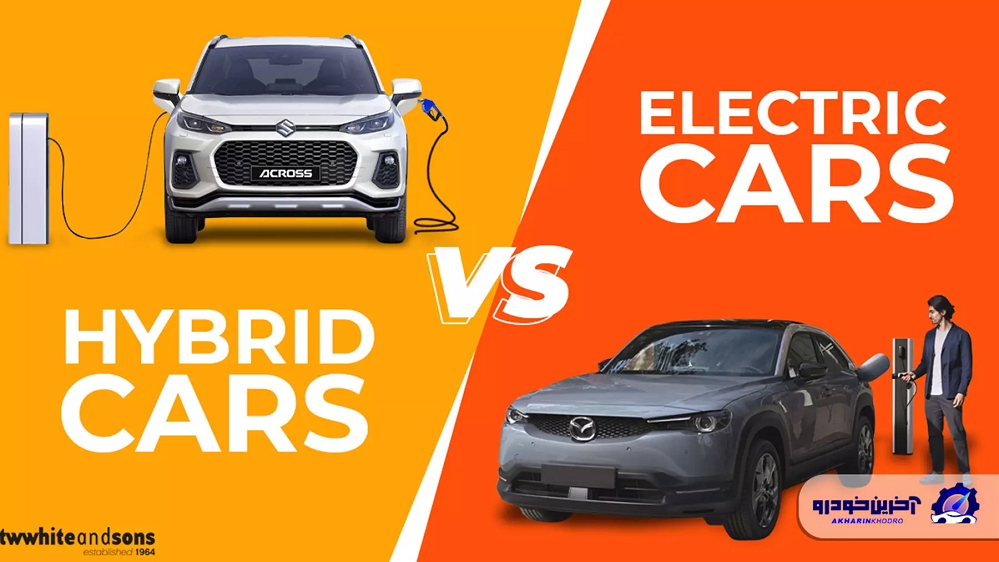
With the shift toward greener transportation, both electric vehicles (EVs) and hybrids are becoming increasingly popular. But how do they differ, and which one suits your lifestyle better?
Electric Vehicles (EVs)
EVs run entirely on electricity and produce zero emissions. They require charging but eliminate gas costs.
Pros:
-
Environmentally friendly
-
Lower running and maintenance costs
-
Instant torque and smooth driving
-
Ideal for city driving and short commutes
Cons:
-
Limited range (usually 200–400 miles)
-
Longer refueling time (charging)
-
Requires access to a charger
Hybrid Cars
Hybrids combine a gasoline engine with an electric motor. They charge automatically while driving and switch between power sources to maximize efficiency.
Pros:
-
Better fuel economy than traditional cars
-
No need to charge
-
Longer driving range
-
Ideal for those without access to charging stations
Cons:
-
Still use fossil fuel
-
More moving parts = higher long-term maintenance potential
-
Less environmentally friendly than EVs
Final choice:
Choose an EV if you drive short distances, have easy access to charging, and want to go green. Go for a hybrid if you drive long distances or live in areas where charging infrastructure is limited.
Both are smart steps toward sustainable driving — it all depends on your needs.