
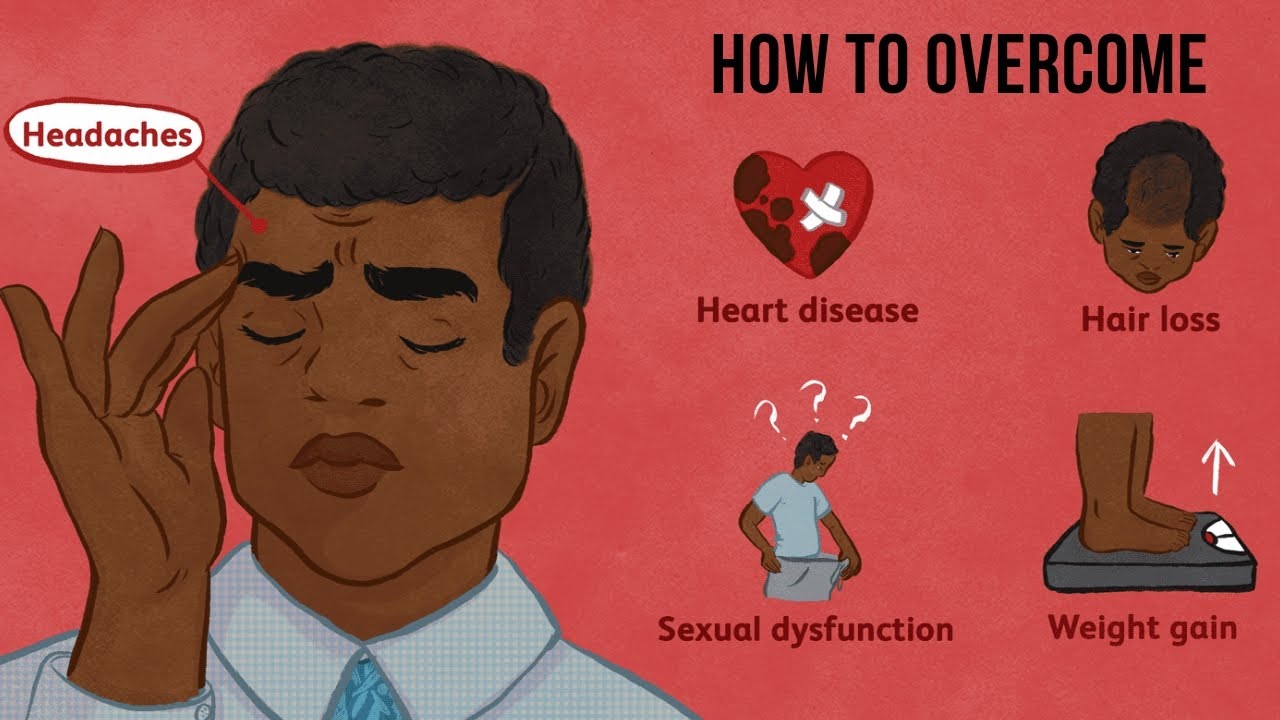
Stress is a normal part of life, but when it becomes chronic, it can silently wear down your health over time. The physical effects of long-term stress can be serious — even when you think you’re “handling it.”
What is chronic stress?
Chronic stress occurs when your body stays in a state of heightened alert for extended periods. It can result from work pressure, financial worries, caregiving, or relationship issues.
Health consequences of long-term stress
-
High blood pressure and heart disease
-
Sleep disturbances and fatigue
-
Digestive problems and weight gain
-
Weakened immune system
-
Anxiety, depression, or memory issues
Ways to manage and reduce stress
-
Practice mindfulness or meditation daily
-
Exercise regularly to release tension
-
Set boundaries and take regular breaks
-
Stay socially connected
-
Seek therapy or counseling if needed
You can’t eliminate stress entirely, but you can change how you respond to it. Prioritizing stress management is essential for long-term physical and mental health.